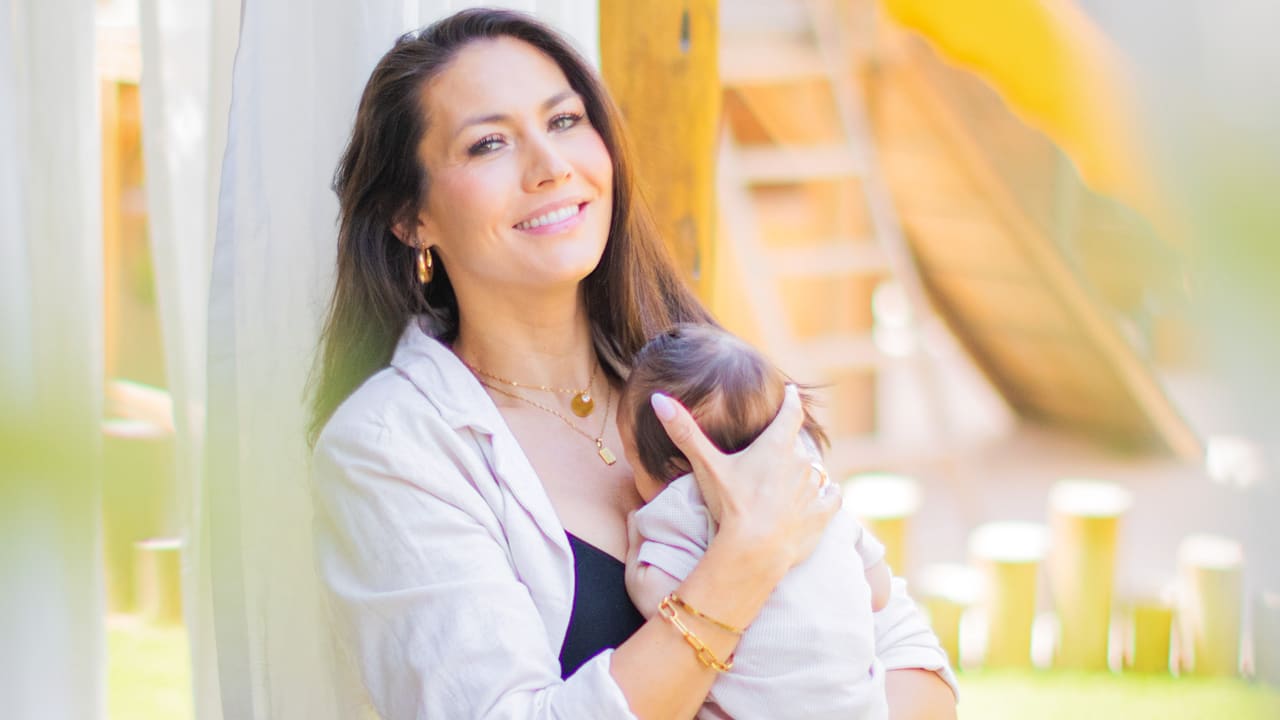
In an increasingly volatile geopolitical landscape, the personal stories of those navigating regional conflicts often bring the abstract reality of war into sharp focus. While the search query "lohan iran flüchtet" might hint at public figures fleeing the escalating Iran conflict, one prominent personality, German model and influencer Fiona Erdmann, offers a compelling and candid account of her urgent departure from Dubai to protect her young family.
Fiona Erdmann's recent, dramatic escape with her two sons and daughter from the bustling emirate of Dubai to the serene neighboring Sultanate of Oman highlights the profound impact of the ongoing conflict between the US, Israel, and Iran. Her decision, triggered by missile attacks and the palpable sounds of air defense interceptions, underscores the lengths parents will go to shield their children from the anxieties of war.
Fiona Erdmann's Urgent Escape from Dubai Amidst Escalation
The situation escalated rapidly for Fiona Erdmann and her family in Dubai. Following a series of missile attacks and intense air defense activity, the once-secure feeling of the emirate was shattered. Fiona described the terrifying reality to BILD: "The interceptions [air defense missile launches] made a lot of noise. The doors at home rattled, our windows vibrated." This wasn't merely distant news; it was a tangible, unnerving presence right outside her family's home.
Driven by an instinct to protect her young children—who she felt were "much too small" to comprehend or endure such events—Erdmann orchestrated a swift, covert departure. The goal was to make the escape feel like an exciting short trip, preserving a sense of normalcy and joy for her kids. "It was important to me for my children that they wouldn't experience something like that," she explained. Alongside her partner, Mo, Fiona packed their essentials, embarking on what she described as "a real ride!"
The journey itself was not without its challenges. The typical five-hour drive from Dubai to Muscat, Oman's capital, stretched into a grueling 8.5-hour ordeal, partly due to unforeseen issues at the border. "That's why it took longer," Fiona recounted, reflecting on the stress of the journey. However, their perseverance paid off. By Sunday evening, the family had safely arrived in Oman, finding solace in a beautiful property equipped with a pool, a much-needed haven after their harrowing experience. "I'm glad we have nice accommodation. Phew! That was exciting," she shared, expressing her relief.
Fiona's candidness about her decision resonates deeply. She admitted on Instagram, "If I didn't have children, I would have stayed there. But with a baby and two wild children, it just feels better if they don't experience it." This sentiment highlights the unique burden and responsibility that comes with parenting during times of crisis, where personal risk assessment often takes a backseat to the paramount need for a child's safety and psychological well-being. For a deeper dive into her personal journey and the psychological aspects of shielding children from conflict, read Fiona Erdmann's Covert Escape: Shielding Kids From War's Reality.
The Escalating Iran Conflict: A Regional Overview
Fiona Erdmann's urgent departure was not an isolated incident but a direct consequence of a rapidly escalating geopolitical crisis in the Middle East. The conflict, reportedly involving the United States and Israel against Iran, commenced on February 28, 2026, and has since spiraled, engulfing neighboring regions in its destructive wake. The reference context paints a grim picture of sustained warfare:
- Initial Strikes and Counter-Strikes: Israeli and US forces launched extensive air attacks on Iranian targets, including major cities like Tehran and Sanandaj. Iran swiftly retaliated, targeting US bases in Kuwait and the UAE.
- Hezbollah's Involvement: Concurrently, Hezbollah intensified its rocket barrages against Israel, further widening the scope of the conflict.
- Operation True Promise 4: The Iranian Revolutionary Guard Corps (IRGC) initiated "Operation True Promise 4," deploying drones and ballistic missiles against US targets across the Gulf region, specifically naming Kuwait, the UAE, Bahrain, and the Strait of Hormuz. Reports indicated direct hits on the US base Arifjan in Kuwait.
- Civilian Casualties and Regional Declared Danger Zones: The conflict has not spared civilians, with nine reported deaths in Israel due to Iranian attacks. Qatar declared the region an "extremely dangerous zone," a testament to the pervasive threat.
- Broadening Scope: The conflict dramatically expanded, with Iranian attacks targeting critical infrastructure and military assets in Bahrain (US 5th Fleet), Kuwait (US Embassy), and alarmingly, the Dubai International Airport in the UAE. During these intense exchanges, a US F-15 aircraft was reportedly shot down.
This relentless back-and-forth signifies a dangerous stagnation in diplomatic efforts, with the focus shifting predominantly to military escalation across the Gulf and Lebanon. The involvement of multiple actors and the targeting of civilian areas and crucial economic hubs like Dubai airport highlight the profound instability now gripping the region. To understand the full scope of these events, including the targeting of critical infrastructure, consult Iran Conflict Escalates: Dubai Airport, US Bases Targeted.
Prioritizing Child Safety Amidst Geopolitical Unrest
Fiona Erdmann's actions provide a powerful example of the lengths parents go to shield their children from the harsh realities of conflict. Her immediate priority was to prevent her young ones from experiencing fear and anxiety, even when the sounds of war were literally rattling their home.
Erdmann's ingenious approach of turning terrifying air defense interceptions into a game – "Whoever gets to the storage room first when they hear something!" – is a testament to parental resilience and creativity in crisis. By reframing a threat as a playful challenge, she managed to maintain a facade of control and calm, preventing her children from internalizing the fear she undoubtedly felt. "I never wanted to give them the feeling that Mama was scared. That was important to me," she stated, highlighting the critical role parents play as emotional anchors during turmoil.
Practical Tips for Parents in Unsettled Regions:
- Maintain Routines: Consistency provides a sense of normalcy and security for children, even amidst chaos. Stick to mealtimes, bedtimes, and school schedules as much as possible.
- Age-Appropriate Communication: Be honest but gentle. Shield very young children from explicit details, as Fiona did, but offer older children factual, reassuring information tailored to their understanding. Answer their questions patiently.
- Create Safe Spaces: Designate a physical "safe zone" in your home, like a reinforced room or an inner room, and make it a comfortable, familiar place, perhaps by adding toys or books.
- Practice Preparedness Together: Involve children in family emergency plans in an empowering way. Frame drills for sudden departures or sheltering as important family activities, not terrifying necessities.
- Monitor Media Exposure: Limit children's exposure to news reports and adult conversations about the conflict, which can be overwhelming and frightening.
- Encourage Expression: Allow children to express their feelings through play, drawing, or conversation. Validate their emotions without dismissing their fears.
- Prioritize Your Well-being: Parents need to manage their own stress and anxiety to effectively support their children. Seek support if needed.
Navigating Regional Instability: Insights for Residents and Expatriates
The incident involving Fiona Erdmann also raises important questions for residents and expatriates living in regions prone to geopolitical tensions. Dubai, often perceived as a safe haven of stability and luxury, suddenly found itself on the front lines, underscoring the unpredictable nature of international relations.
The rapid escalation, from initial skirmishes to direct targeting of a major international airport and US military bases within the UAE, demonstrates how quickly perceived safety can erode. For those considering living or working in such areas, or indeed for current residents, several insights are crucial:
- Stay Informed, Critically: Rely on multiple, credible news sources. Understand the geopolitical context and potential flashpoints. However, avoid constant, overwhelming exposure to avoid anxiety.
- Emergency Preparedness: Have a clear family emergency plan. This includes designated meeting points, emergency contacts, essential documents in an easily accessible bag, and financial reserves. Know evacuation routes and safe havens.
- Understand Local Laws and Practices: Be aware of the host country's response protocols during a crisis, including civil defense instructions and emergency services.
- Evaluate Risk Tolerance: Periodically assess your personal and family's risk tolerance. What might be acceptable for a single adult might be entirely different for a family with young children.
- Community Networks: Establish strong connections within your expatriate or local community. These networks can be invaluable for sharing information and providing mutual support during times of crisis.
Fiona Erdmann's flight to Oman highlights that even in modern, developed cities like Dubai, the shadow of conflict can extend far and wide. Her story serves as a potent reminder for all to remain vigilant and prepared, ensuring the safety and well-being of loved ones are always paramount.
Conclusion
Fiona Erdmann's journey from the unsettling sounds of conflict in Dubai to the peaceful sanctuary of Oman is more than just a celebrity anecdote; it's a profound illustration of parental devotion and the far-reaching human cost of geopolitical strife. Her story resonates with countless families worldwide who face similar dilemmas, grappling with the impossible choices forced upon them by circumstances beyond their control. While the broader conflict continues to unfold with grave implications for regional stability and international diplomacy, Fiona's personal narrative provides a poignant reminder that at the heart of every crisis are individuals striving for safety, peace, and the unwavering protection of their children. Her actions underscore the universal desire for a secure environment, free from the terrifying echoes of war, especially for the most vulnerable among us.