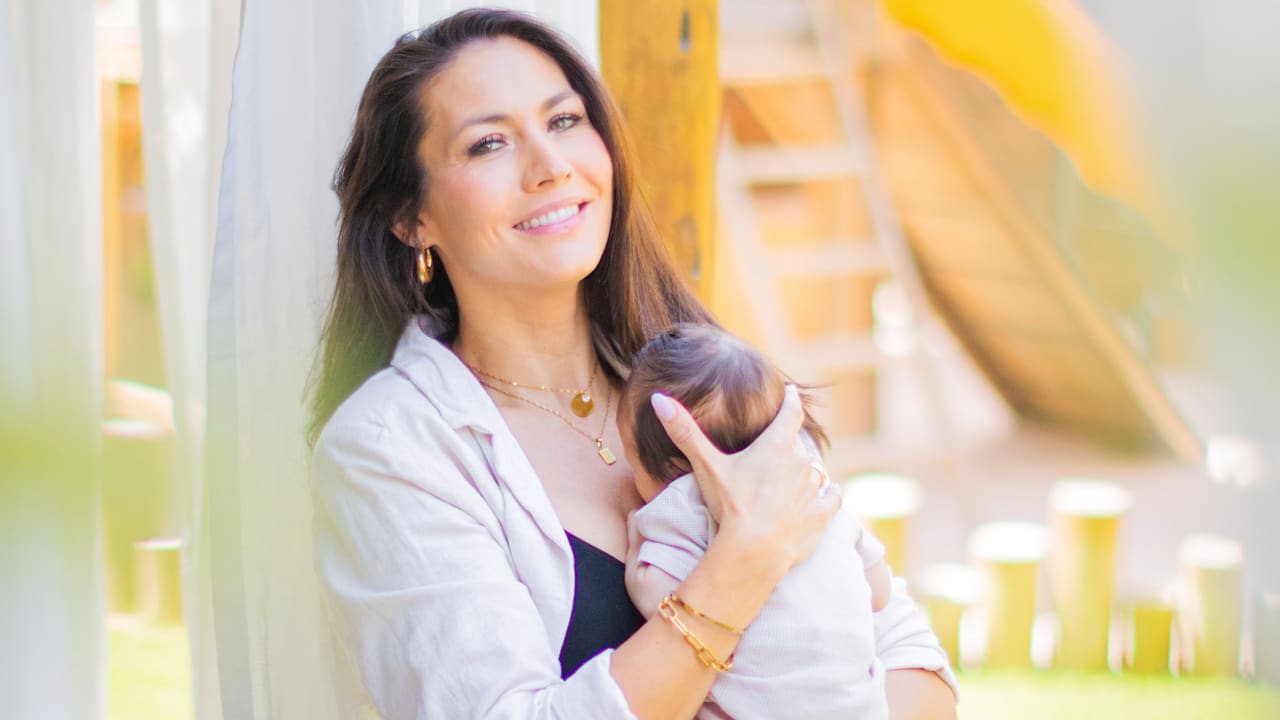
In an era where geopolitical tensions can rapidly reshape personal landscapes, the story of individuals seeking safety from conflict zones frequently captures public attention. While search queries might occasionally misattribute events or figures, such as some mistakenly searching for "Lohan Iran flüchtet," the real narratives unfolding are often more nuanced and impactful. One such compelling account is that of German model and influencer Fiona Erdmann, whose recent covert escape from Dubai highlights the profound lengths parents will go to shield their children from the harsh realities of war.
The escalating conflict in the Middle East, particularly the heightened tensions involving Iran, has prompted widespread concern and, for some, urgent relocation. Fiona Erdmann, a well-known personality, found herself in such a predicament, making a critical decision to flee Dubai to protect her three young children. Her story offers a poignant glimpse into the challenges faced by families caught in the crossfire of geopolitical unrest, even when residing in seemingly stable, neighboring regions.
Fiona Erdmann's Covert Escape: A Mother's Desperate Act
The decision to leave Dubai came swiftly and without public fanfare for Fiona Erdmann and her partner Mo. Following missile attacks that shook the region, the influencer acted decisively, orchestrating a "night-and-fog" operation to move her family from the bustling emirate to the relative calm of Oman. This wasn't a leisurely vacation; it was a carefully choreographed escape rooted in a primal parental instinct.
"It was important for me that my children didn't experience something like that; they are far too young," Erdmann revealed to German media. This sentiment underscores the core of her decision. Her primary goal was to create a buffer between her children and the escalating conflict, ensuring their innocence remained intact for as long as possible. The escape was disguised as a spontaneous "short trip" to keep her two sons and young daughter cheerful and oblivious to the underlying urgency.
The journey itself was fraught with challenges. What should have been a straightforward five-hour drive from Dubai to Muscat, Oman's capital, turned into an arduous 8.5-hour ordeal. "It was truly a ride!" Fiona recounted, describing issues at the border that caused significant delays. Despite the stress and the prolonged travel time, the family eventually arrived safely in Oman on a Sunday evening. The relief was palpable as Fiona shared her joy at securing a "beautiful accommodation" with a pool, a much-needed sanctuary after the intense experience.
Shielding Young Minds: The Psychology of Parental Protection
Fiona Erdmann's approach to protecting her children goes beyond mere physical relocation; it delves into the psychological aspects of shielding young minds from trauma. Living through the initial phase of the conflict in Dubai meant enduring the tangible signs of war: the deafening noise of air defense interceptions, the vibration of windows, and the shaking of doors.
"I never wanted my children to be afraid!" Fiona emphasized. This resolute determination led her to devise a unique coping mechanism. Instead of succumbing to panic, she turned the terrifying sounds of air defense into a game. "I made a kind of game out of it for the children – along the lines of: 'Who gets to the storage room first when they hear something!' I just didn't want to give them the feeling at any time that Mama was scared. That was important to me." This ingenious strategy allowed her to maintain an aura of calm and control, transforming potential fear into a playful challenge, thereby minimizing the psychological impact on her young ones.
Prioritizing Emotional Well-being in Crisis
- Age-Appropriate Communication: Fiona understood that direct, truthful explanations about war were not suitable for her toddlers. Her method of playful distraction was perfectly tailored to their developmental stage.
- Maintaining Normalcy: By framing the escape as a trip and creating games during scary moments, she strove to maintain a semblance of routine and fun, which is crucial for children's emotional stability during unsettling times.
- Parental Resilience: Her personal admission – "If I didn't have children, I would have stayed there" – highlights the immense self-sacrifice involved. A parent's ability to compartmentalize personal fear and project strength is vital for their children's sense of security.
The Broader Context: Escalation in the Gulf
Fiona Erdmann's flight from Dubai was not an isolated incident but a direct response to a rapidly deteriorating geopolitical situation. The conflict involving Iran had intensified dramatically, impacting neighboring regions and leading to genuine safety concerns for residents and expatriates alike. The initial missile attacks on Dubai were a clear signal that the once-perceived safe haven was no longer immune to the wider regional turmoil.
Reports from early March 2026 detailed a significant escalation in the conflict between the USA, Israel, and Iran. This period saw sustained air attacks on Iranian targets, including major cities like Tehran and Sanandaj, met with Iranian counter-attacks on US bases in Kuwait and the UAE. Hezbollah, a Lebanese political party and militant group, also launched rockets into Israel, further broadening the conflict's scope.
The situation became critical, particularly for regions like the Gulf states. The Iranian Revolutionary Guard Corps (IRGC) initiated "Operation True Promise 4," launching drones and ballistic missiles at US targets across Kuwait, the UAE, Bahrain, and through the Hormuz Strait. Reports confirmed hits on facilities like the US base Arifjan in Kuwait. The escalating conflict saw multiple Iranian missile attacks on Israel and US bases in the Gulf, with Qatar declaring the region an "extremely dangerous zone." Notably, the conflict expanded to include attacks on Bahrain (US 5th Fleet), Kuwait (US Embassy), and even Dubai Airport in the UAE, alongside the reported downing of a US F-15 jet. This relentless series of events explains the urgency behind Fiona Erdmann's decision to relocate her family.
Lessons from a Real-Life Escape: Practical Tips for Families in Volatile Regions
Fiona Erdmann's experience offers valuable insights for any family living in or near potentially volatile regions:
- Have an Emergency Plan: While Fiona's move was swift, her ability to execute it implies some level of preparedness. Families should have an evacuation plan, including designated safe routes, emergency contacts, and pre-packed "go-bags" with essentials like documents, cash, first aid, and basic supplies.
- Monitor Local and International News: Staying informed through credible sources is crucial for understanding the evolving situation and making timely decisions. Fiona's departure followed missile attacks, indicating she was actively monitoring the threat landscape.
- Prioritize Children's Emotional Health: As Fiona demonstrated, protecting children from the psychological impact of conflict is as important as physical safety. Be honest in an age-appropriate way, reassure them, and create spaces for play and normalcy.
- Secure Financial and Travel Documents: Ensure passports, visas, and financial resources are easily accessible and up-to-date. Border issues can be a significant hurdle, as Fiona experienced.
- Build a Support Network: Having trusted friends, family, or community members who can offer assistance or information during a crisis can be invaluable.
- Consider Temporary Relocation: If a region becomes unstable, even temporarily, don't hesitate to consider moving to a safer location, even if it means disrupting daily life. Fiona's choice to temporarily relocate to Oman proved to be a prudent one.
Fiona Erdmann's journey serves as a powerful reminder that stability can be fleeting, and vigilance is paramount. Her story resonates deeply with parents worldwide, illustrating the universal instinct to protect one's offspring at all costs, especially when facing the grim realities of an escalating conflict.
Conclusion
Fiona Erdmann's "covert escape" from Dubai to Oman is more than just a headline; it's a testament to a mother's fierce dedication to her children's well-being amidst geopolitical turmoil. Her resourceful decision to shield her family from the direct impact of the Iran conflict, transforming fear into a game and seeking immediate refuge, encapsulates the resilience and adaptability required when unforeseen crises strike. As the Middle East navigates complex and often volatile political landscapes, stories like Fiona's highlight the very personal stakes involved and the profound courage of those who choose to prioritize peace and safety for the next generation. Her experience underscores the global interconnectedness of events and the enduring strength of familial bonds in the face of uncertainty.